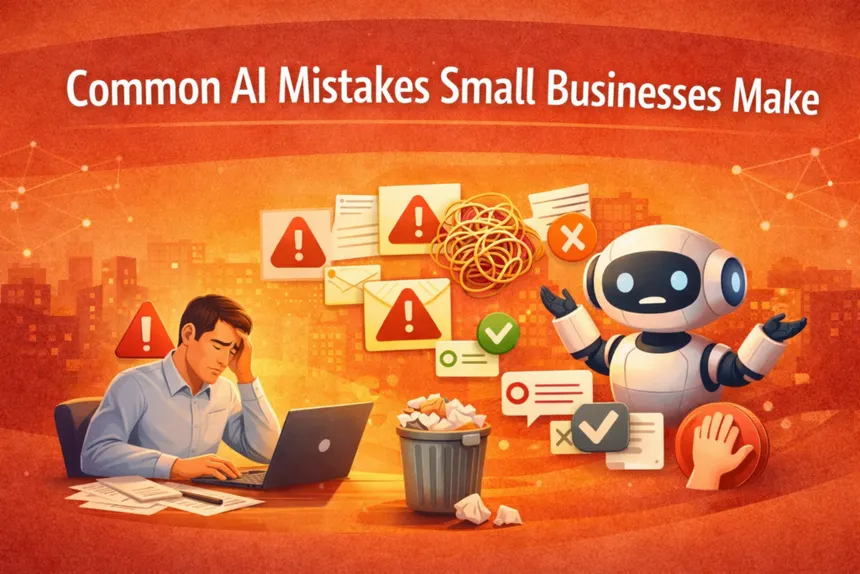
Artificial intelligence (AI) has revolutionized the way we create content, manage marketing, and boost productivity. From generating blog posts to automating repetitive tasks, AI tools like ChatGPT can save time and provide incredible opportunities. However, using AI without following best practices can backfire, especially when it comes to SEO. Many beginners—and even seasoned creators—make mistakes that reduce traffic, lower rankings, and hurt user experience. In this guide, we’ll explore the most common AI mistakes and explain how to avoid them in 2026, ensuring your AI-powered content works for you, not against you.
1. Relying 100% on AI Without Reviewing Content
One of the biggest mistakes is trusting AI output blindly. Tools like ChatGPT can generate well-structured text, but they aren’t perfect. Errors in grammar, factual inaccuracies, or repetitive phrasing are common. Google also evaluates content quality and reliability, so publishing without reviewing can negatively affect SEO rankings.
How to avoid it:
- Always edit AI-generated content manually.
- Verify all facts, statistics, and claims before publishing.
- Add human insights to make the content unique and valuable.
For example, instead of publishing “AI can generate articles automatically,” expand with your personal experience: “I tested AI for blog writing, and by reviewing and adding my insights, I increased engagement by 35% in one month.”
2. Using Generic Prompts
The quality of AI content depends heavily on the prompts you give. Vague or generic prompts often produce bland, repetitive, or poorly structured content.
How to avoid it:
- Use specific prompts that include context, target audience, tone, and structure.
- Experiment with iterations until the AI output matches your expectations.
- For example:
- Generic prompt: “Write an article about AI and SEO.”
- Optimized prompt: “Write a 800-word article for beginners about common AI SEO mistakes, including headings and actionable tips, in a friendly and professional tone.”
Better prompts = better content = higher chance of ranking on Google.
3. Ignoring SEO Best Practices
Even well-written AI content won’t rank if it ignores SEO fundamentals. Many creators forget keywords, meta descriptions, headings, and internal linking, which are essential for Google to understand your content.
How to avoid it:
- Identify target keywords before generating content.
- Structure the article using H2 and H3 headings.
- Add meta descriptions that include your primary keyword.
- Link internally to relevant posts. For example:
- How to Automate Repetitive Tasks Using AI
- 10 Real Ways to Make Money Using AI in 2026
This approach helps both Google and your readers navigate your website better.
4. Not Updating Content Regularly
AI content can be created quickly, but trends, tools, and best practices change constantly. Outdated content can harm your credibility and SEO rankings.
How to avoid it:
- Review posts every few months to update facts, statistics, and examples.
- Add new tips or tools as they emerge.
- Republish or refresh the content with new headings and insights to keep it relevant.
For example, a post written in early 2026 might need updates in late 2026 to include new AI tools or Google ranking guidelines.
Conclusion
AI is an incredible tool, but using it without best practices can lead to mistakes that hurt SEO and user experience. To succeed in 2026:
- Review and edit AI content thoroughly.
- Use specific and detailed prompts.
- Apply SEO basics: keywords, headings, meta descriptions, and internal links.
- Regularly update content to stay relevant.
By combining AI efficiency with human oversight, your content can rank higher, attract more visitors, and generate real results. Start applying these tips today and make your AI-powered content both search engine friendly and reader-friendly.
Extra SEO Tips for This Article
- Primary keyword:
AI SEO Best Practices - Secondary keywords:
AI mistakes,AI content SEO,AI content optimization - Internal links:
- How to Automate Repetitive Tasks Using AI (Beginner’s Guide)
- 10 Real Ways to Make Money Using AI in 2026